Getting locked out of your business is a test of planning and patience, and picking a trusted local locksmith pays off in minutes saved and stress avoided. I write from hands-on experience dealing with commercial lockouts, giving clear steps for calling a 24 hour locksmith, what to expect during an emergency locksmith visit, and how to prevent repeat incidents. If you want to turn a stressful lockout into a short interruption, this article will steer you to the right pros and practices.
Why choosing a trusted locksmith near me changes the outcome for business lockouts.
A commercial lockout is not the same as a house lockout, and the stakes are often higher. A locksmith who knows commercial hardware will ask about master key systems, access control, and any alarm panels before starting work. The right provider reduces downtime, documents the intervention, and leaves you with a clear record for insurance and compliance.
How to find a trustworthy 24 hour locksmith Orlando when time is tight.
Call signs and promises are easy; verification matters more when your business is locked out. Start by asking for a company name, a technician's name, and a vehicle description before you agree to meet them onsite. Verify that the company is licensed where required and carries liability insurance; request a registration or license number if applicable. Ask for an honest estimate for non-destructive entry versus replacement, and check whether the rate changes for nights, weekends, or holidays.
What to expect during a commercial locksmith visit, step by step.
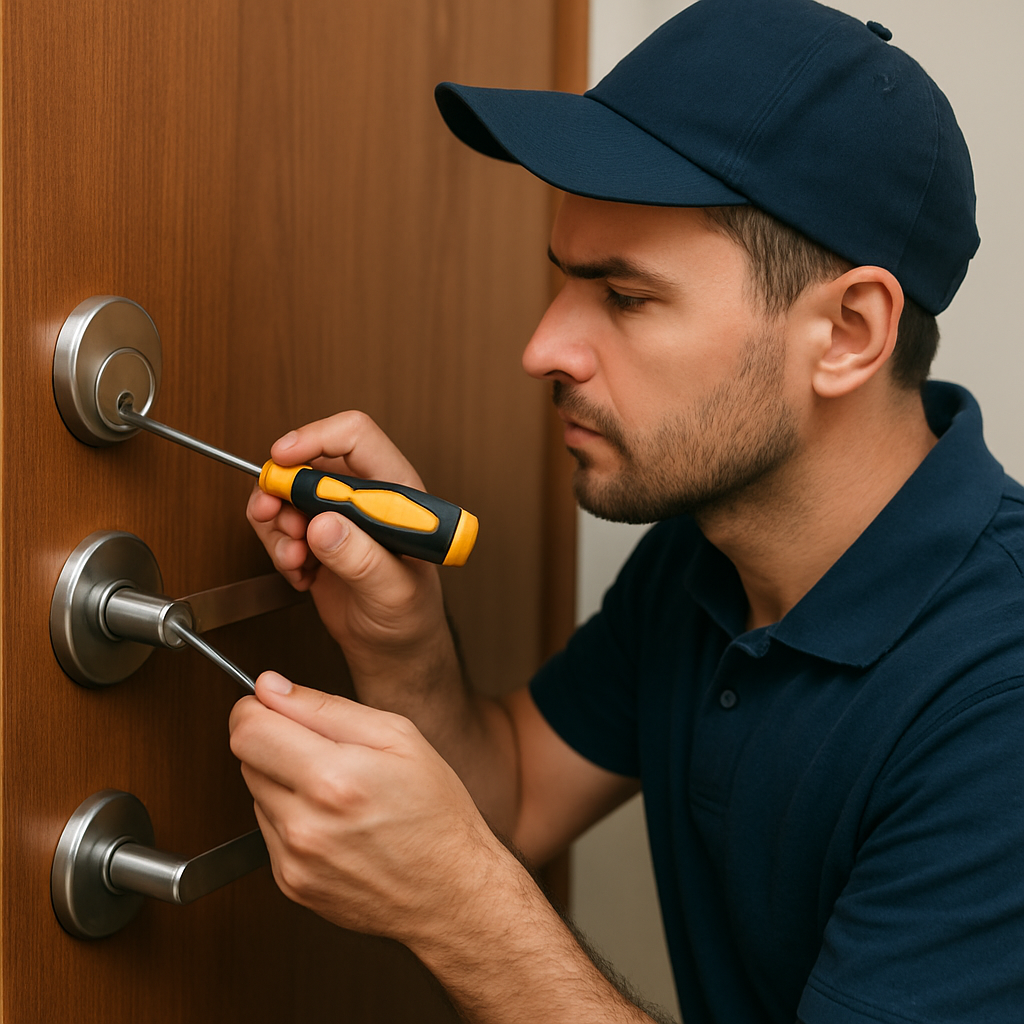
Expect the locksmith to request proof that you are authorized to grant access, such as an ID, storefront lease, or a manager on site. A good locksmith will attempt manipulation and bypass methods before recommending a cylinder pull or replacement. When hardware is compromised or obsolete, you will receive clear choices and cost implications between repair, rekeying, or replacing the lock. Throughout the call, ask the tech to document the work, explain warranties on parts, and provide a written receipt with the technician's name and business details.
How to read locksmith pricing without getting blindsided.
After-hours work, alarm coordination, and specialized hardware raise the final bill compared to daytime service calls. Single-cylinder entries are cheaper; master key systems, panic bars, and proximity readers increase time and materials. Clarify if the estimate covers travel, truck roll time, and a minimum labor charge, and whether parts carry a warranty. Avoid technicians who refuse to put any estimate in writing or who pressure immediate payment without documentation.
Common commercial lock types and how they change the job scope.
Most office doors use cylindrical or mortise cylinders, which experienced locksmiths handle quickly. Mortise locksets often need more expertise to reassemble correctly, and replacement parts may not be off-the-shelf. If your door uses an electric strike or mag lock, expect the job to include troubleshooting power, sensors, and control boards. For code-related hardware, a locksmith will often consult building management to https://keyfobnkjz761.lucialpiazzale.com/immediate-locksmith-near-me-for-company-lockouts ensure any repair maintains compliance.
Quick triage checklist for the first ten minutes of a lockout.
Prioritize safety first, then assemble proof of ownership or authorization and any key records you have. Notify property management early if the door is on common property or under the landlord's control, since they often hold master keys. Protect critical assets by requiring staff accompaniment for sensitive doors and recording the event for audit trails. Document the scene with photos and written notes, and record the technician's name and service vehicle information before work proceeds.
When to rekey and when to replace, with practical trade-offs.
If the lock body functions well, rekeying can invalidate lost keys quickly at a lower cost than full replacement. Swap out hardware that shows wear, fails to meet current codes, or cannot be economically serviced. A repair can be the quickest option, but evaluate whether it preserves long-term reliability and security. When in doubt, ask the locksmith for a written recommendation that lists expected longevity and cost for each option, and consider long term maintenance budgets as part of the decision.
Practical steps businesses can take to avoid repeat lockouts.
Track keys with sign-out logs, numbered tags, and a single person responsible for issuing them. Keep well-hid spare keys in locked storage that authorized staff can access when needed. An access control system can reduce physical key distribution and allow rapid changes to permissions. Regular inspections and lubrication of locks prevent many mechanical breakdowns that lead to lockouts.

Benefits of a retained locksmith for fast commercial support.
A standing account or maintenance contract often includes quicker dispatch and set rates for routine services. Confirm whether the vendor will keep keyed-alike records or schematics under secure conditions to accelerate emergency work. Make sure the agreement covers liability, key control policies, and how they handle after-hours calls to avoid surprises. Rotate review meetings at least annually to assess performance, review incident logs, and plan upgrades based on wear and security needs.
A short set of real-world rules to follow when your business needs a 24 hour locksmith.
Keep authorization documents and a management contact list in a single phone note or a secure location so you can provide them quickly to a technician. Always confirm the technician's name and company, and insist on photos and a written invoice before payment. Value transparency and reliability over the cheapest immediate option for better outcomes over time. Plan ahead with spares, simple maintenance, and a written relationship with one locksmith, and you will convert future lockouts from crises into brief operational bumps.